Not Everyone Likes Lemonade
When life hands you lemons, the world says: squeeze them into lemonade. But faith whispers something deeper. God can turn bitterness into a blessing. Taste and see that the Lord is good (Psalm 34:8). Even the sharpest sorrows can become sweetness when placed in His hands.
This summer, my daughter and I danced in the kitchen to a song that turned our ordinary days into something extraordinary. “Lemonade” by The Figs and Forest Frank wasn’t just catchy; it was a wonderful encouragement. Its message, drawn from Romans 8:28, reminded us that even the sourest moments can be transformed by grace. We sang it loud, laughed harder, and let its joy seep into the cracks of our everyday life.
As a single mom, I have gathered more lemons than I could hold: the unexpected detours, quiet heartbreaks, and the kind of God-like strength that doesn’t always make headlines. And while the world says, ‘When life gives you lemons, make lemonade,’ I’ve learned that sometimes the sweetest redemption comes in unexpected ways. It may not come as easy answers or tidy solutions, but as quiet comforts that nourish the soul. I’ve found it in the gentle grace of music, the laughter of loved ones, and the strength discovered in weakness. What once felt sour can be transformed into something sustaining, reminding me that God’s redemption is far richer than anything I could create on my own.
This season, something tasted refreshing and new for us, like grace poured into a weary cup. In the midst of sour moments, God offered sweetness through music, movement, and togetherness. It was a reminder that even in grief, He can stir joy, turning mourning into dancing.
I told my daughter that we are returning to something I first learned years ago in my Early Childhood Education classes: singing and movement aren’t just fun, they’re deeply nourishing, for both children and adults. Those moments of creating together, of letting music and motion fill the room, became my lemonade. What once felt like a simple classroom theory of songs, movement, and creative play has become a lifeline, reminding me that joy and resilience often grow out of the smallest practices. It proves to me that God does not waste even the smallest lessons, and that each one becomes part of His preparation for the unexpected chapters ahead.
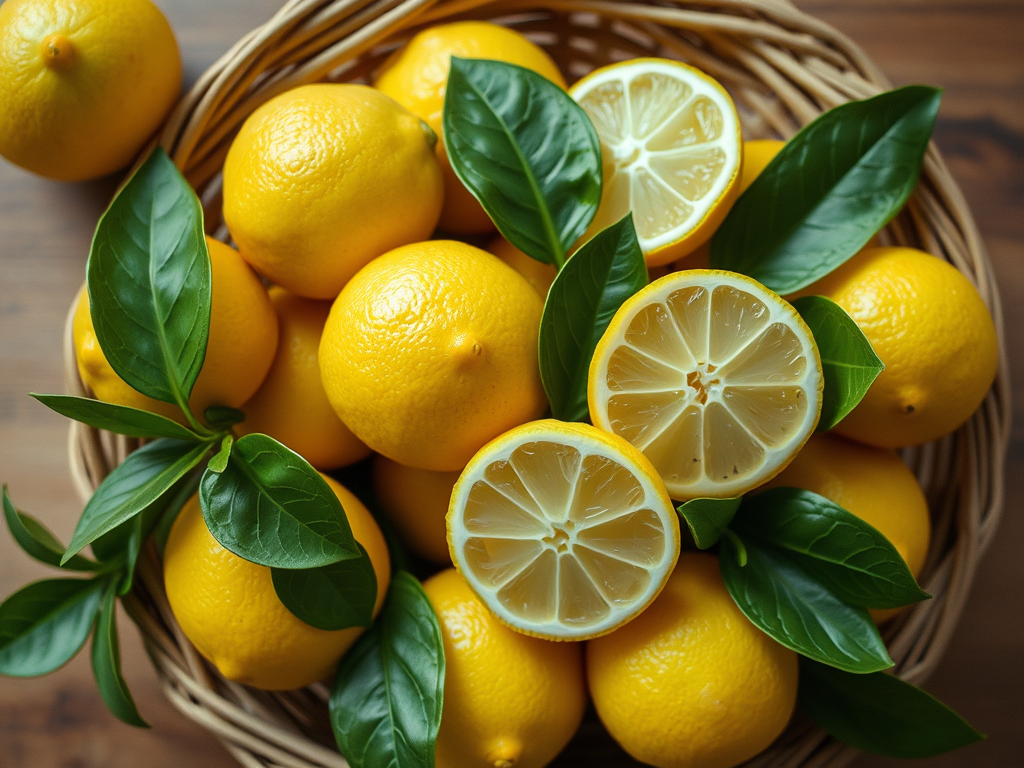
This post is my offering: a reflection on how God meets us in the mess, how joy can rise from the bitter rinds, and how lemonade sometimes tastes best when shared with the ones we love most.
We’ve all heard the phrase: “When life gives you lemons, make lemonade.”
But what if the bitterness doesn’t sweeten with sugar or honey?
What if the sourness lingers, no matter how hard you stir?
Now, for the record, I love lemonade of all kinds. The pink ones from the corner store, the ones made by the children selling at the roadside, the ones with a twist of watermelon juice, even the ones that make your cheeks pucker, or your mouth water, even before you take the first sip. But I’ve come to believe that not everyone is meant to make lemonade. Not every sour moment needs to be blended into sweetness. Sometimes, the best thing you can do is sit with the taste and let it teach you something deeper.
When my friend Helena died abruptly two years ago, it felt as though the air had been squeezed out of me. I still remember my cousin asking me to sit before she shared the shocking news. Her voice carried a weight I couldn’t name, and the silence that followed seemed to stretch forever. There was no warning and no time to prepare. One moment, Helena was part of my world, and the next, she was gone, leaving behind a sudden absence that made everything feel sour and still. Even the room seemed to hold its breath, as if grief itself had settled into the air, and then, earlier this year, when my dad passed away, the grief returned with the same sharpness. It didn’t ask for sweeteners or distractions; it asked to be felt. I didn’t rush to make lemonade. Instead, I sat in the quiet, praying, muttering again and again, ‘Life is so short, and full of surprises.’
Family life often grows complicated in ways you never imagined. And in the midst of loss, everyone around you, from friends to teachers, even the cheery voices in motivational videos or radio catchy gospel songs, reverberate the same refrain: ‘Make lemonade! Turn it around! God will see you through!’ But when grief presses in, those words don’t always land the way they’re meant to. Sometimes faith looks less like quick fixes and more like sitting quietly with God, trusting that His presence is enough.
I have also found that trying to ‘fix’ the hurt just makes you tired and frustrated. The bad feelings stick around, no matter how hard you try to sweeten them. I know, because it has happened to me many times. The stories and testimonies that I have accumulated have transformed into invisible tattoos, badges, and T-shirts to prove it…laugh out loud!
I’ve had friendships collapse under the weight of misunderstanding, and suddenly, every shard of the blame was placed in my hands. Then the gaslighting began, raging through the air like a sudden thunderstorm —loud, blinding, and impossible to reason with. I sent the longest “I am sorry for…” text. Yet, I was still at fault. I couldn’t handle the sourness; I had to find a way to neutralize it so I wouldn’t develop ulcers. I took time to enter into the presence of God, asking Him to sweeten my brokenness.
When a grudge or an offence lingers, it sours the spirit, much like citrus fruits left too long in the sun. Bitterness doesn’t just stay hidden; it seeps into your words, your relationships, even the way you see yourself. Do you know that when a drink is very sour, you contort your face, but it is for a short moment; think of how that same contortion can stay on someone’s dementor for a long time.
But forgiveness, even when it feels costly, is the only way to restore sweetness. Scripture reminds us, ‘Get rid of all bitterness, rage and anger…be kind and compassionate to one another, forgiving each other, just as in Christ God forgave you’ (Ephesians 4:31-32). Letting go doesn’t mean the hurt never happened; it simply means you refuse to let it sour your spirit.
Maybe your lemons don’t become lemonade. Maybe they become:
- A poem that dignifies grief
- A prayer whispered through tears
- A garden planted in memory
- A quiet refusal to pretend you’re okay
It’s easy to believe the saying is inspiring when you first hear it. When life gives you lemons, you’re supposed to be the hero of your own story, the one who turns them into lemonade with a smile and a strategy. But in real life, it doesn’t always work out that neatly.
So, when life hands you lemons, and everyone insists on lemonade, feel free to start a marmalade revolution instead (I see that smile). Just make sure it’s yours and make it count. And when the stirring gets hard, and the sweetness feels out of reach, remember this promise:
And we know that all things work together for good to them that love God, to them who are called according to his purpose.–Romans 8:28 (KJV)
Side note: Try reading the scriptures in my post in other versions online. I use the King James Version because it's in the public domain and I do not have to ask permission.

Thanks for reading! 😍

Work in progress: How to Eat a Pomegranate

 Keziah Thinks Press
You must be logged in to post a comment.